.
.
.

Casting Sky Custom Investment Castings

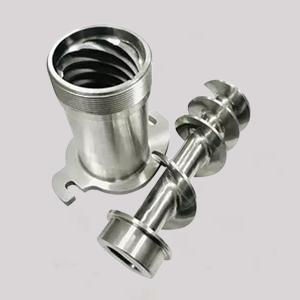
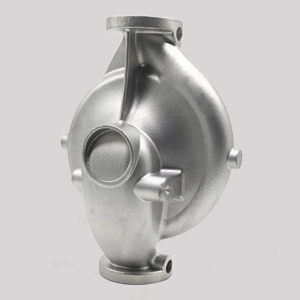
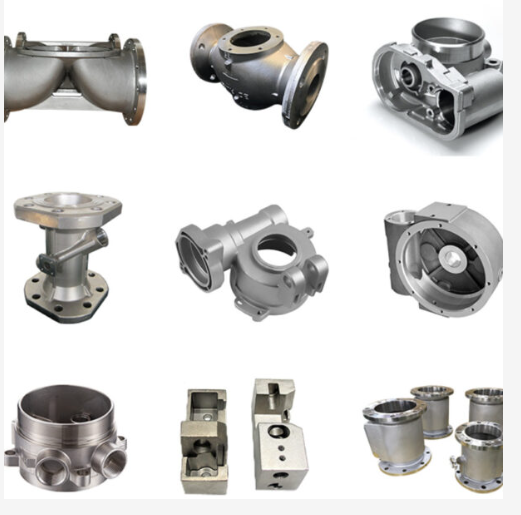
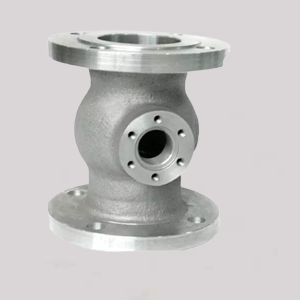
Casting Sky supports custom investment casting projects for pump, valve, machinery, automotive and marine components. Our investment casting factory focus connects product selection with practical sourcing requirements. Review alloy grades, drawing revisions, machining allowances and inspection needs before selecting a production route. Stainless steel, carbon steel and specified alloys should be matched to the operating environment.

Work with Casting Sky to define the details that matter for your casting order. Share component drawings, expected quantities, surface requirements and delivery expectations. Discuss tooling, sample approval, dimensional checks and material documentation together. A clear technical specification helps buyers compare quotations consistently and gives repeat orders an agreed reference for manufacturing and inspection.
Company News and Blogs

Hot Chamber vs Cold Chamber Die Casting: Why the Injection System Matters

Hot chamber and cold chamber die casting do not describe whether the final component is hot or cold. The terms distinguish the injection arrangement. Understanding that arrangement explains why alloy compatibility is a more useful starting point than asking which machine is faster.

Gravity Die Casting vs High Pressure Die Casting: Filling the Same Shape Differently

Gravity die casting and high-pressure die casting can both use reusable metal tooling, but the way metal enters the cavity differs. That distinction affects the production equipment and the design questions that need attention. Calling both routes die casting without identifying the filling method leaves an important part of the proposal undefined.

Low Pressure Die Casting vs Gravity Casting: Control the Fill, Then Judge the Part

Low-pressure die casting and gravity casting differ in how metal is delivered into the mold. In a typical low-pressure arrangement, controlled pressure moves metal from a holding furnace through a feed tube. Gravity filling uses the metal head and pouring arrangement. The practical choice depends on the component and production system, not on the process name alone.

Sand Casting vs Die Casting for a New Housing Design

A housing often combines a broad outer shape with a small number of precise interfaces. That makes sand casting vs die casting a question of where the manufacturing effort belongs. The process should suit the alloy and geometry while leaving a practical route to the finished bores, faces and connections.

Sand Casting vs Permanent Mold Casting: The Cost of a Reusable Cavity

The attraction of permanent mold casting is easy to understand: reuse the cavity instead of making a new sand mold for each cycle. Yet the reusable mold must suit the alloy, release the component and remain thermally controlled during production. Sand casting offers a different balance of flexibility and recurring mold preparation.

Investment Casting Process at Casting Sky

1

Drawing Review and Casting Requirements

Casting Sky reviews drawings, alloy specifications, order quantities and inspection requirements before tooling. Confirm critical features, machining allowances and acceptance criteria for the intended casting application.

2

Tooling Design and Wax Pattern Planning

Casting Sky coordinates tooling requirements with the approved component drawing. Pattern dimensions, shrinkage allowances and injection features are reviewed before preparing wax samples for evaluation.

3

Wax Pattern Injection and Inspection

Casting Sky checks wax patterns for complete filling, surface defects and dimensional consistency. Approved patterns provide the component shapes used to build the investment casting assembly.

4

Wax Tree Assembly and Gating Review

Casting Sky groups wax patterns around a gating system suited to the casting geometry. Assembly checks help maintain spacing and access for consistent ceramic shell coverage.

5

Ceramic Shell Building and Drying

Casting Sky plans repeated slurry coating, stucco application and controlled drying around the wax assembly. Shell preparation must suit the selected alloy, component dimensions and pouring requirements.

6

Dewaxing and Ceramic Shell Preparation

Casting Sky coordinates wax removal and shell preparation before pouring. Inspect the ceramic mold for damage and complete the specified heating cycle for the planned casting process.

7

Alloy Melting and Controlled Pouring

Casting Sky reviews alloy identification and melting requirements before metal enters the prepared shell. Pouring conditions are specified to suit component geometry and the selected material grade.

8

Shell Removal and Casting Separation

Casting Sky plans ceramic removal and separation of individual castings from the gating system after cooling. Cleaning methods should protect critical surfaces and leave suitable finishing allowances.

9

Heat Treatment and Surface Finishing

Casting Sky specifies heat treatment and finishing according to the approved material and drawing requirements. Required properties, surface condition and dimensional effects should be reviewed before processing.

10

Precision Machining of Critical Features

Casting Sky coordinates machining of designated holes, threads, sealing faces and locating features. Use the approved drawing revision to check tolerances and protect surfaces needed for assembly.

11

Dimensional and Material Inspection

Casting Sky reviews dimensional results and specified material documentation before acceptance. Additional testing is agreed according to application requirements, with discrepancies addressed before cast components are released.

12

Final Review and Protective Packaging

Casting Sky checks order identification, quantities and agreed inspection records before packing. Suitable protection, labeling and handling instructions help prepare finished cast components for transport and receipt.

Why Choose Casting Sky for Castings?

  • Custom Investment Casting Solutions
  • Drawing and Material Review
  • Sampling Plans for Your Components
  • Precision Castings for Industrial Applications
  • Support for Repeat Casting Orders